Customer Support: cosigma.geral@cosigma.ao
Tech Support: cosigma.geral@cosigma.ao
English
Português

Real Business Case

Sharing Our Customers Success Stories: Problems Solved, Value Created through Lean Six Sigma and RCA Excellence.
Subsea Services Ampliar

Subsea Services Cash Acceleration: Invoicing - DMAIC

Define Phase

In partnership with McKinsey & Company, the subsea service billing process within an oil & gas company was identified as a critical barrier to cash flow acceleration. Inefficient invoice preparation and submission practices led to delays, poor quality documentation, and extended cycle times,directly impacting customer satisfaction and the company's ability to collect revenue in a timely manner.

Through the joint project, the team implemented structured improvements that enabled the submission of higher-quality invoices, resulting in a cash collection of approximately $27.0M. Additionally, the initiative reduced the invoice cycle time by 60%,significantly improving liquidity, strengthening financial performance, and reinforcing customer trust.

Metric: Final Invoice Cycle Time Reduction
Impact: Baseline data showed extended cycle times causing delays in cash collection.
Vital Few Causes:

There are separate processes for each client and product category:
  1. Field Services high level process pain points:
    • The same invoice is generated 4 times by 2 different stakeholders before being uploaded into the client system.
    • In each new version of the invoice there is manual entry which gives rise to human error.
    • PM does not start preparing draft invoice until getting the service ticket on his desk physically.
    • There is currently no tracking or transparency into how long each step of the process takes.
  2. TSA, TLP Field Services high level process pain points:
    • Invoiced is generated 3 times by 2 different stakeholders before being uploaded into the client system.
    • PM does not start preparing draft invoice until getting the service ticket on his desk physically.
    • There is currently no tracking or transparency into how long each step of the process takes (local team is working on a solution).
  3. EM high level process pain points:
    • A draft invoice is generated despite the invoice being for the same amount every month and contract is signed yearly.
    • During examples of invoices left for several years due to contracts not being in place and invoices slipping through.
  4. Offshore consignment high level process pain points:
    • Division of consigned material between two stocks creates additional complexity in the process and adds days due to handover between remote locations.
    • Increased number of errors due to manual input of prices with complex structure, made worse by difference in pricing structure between stocks.
    • Extended contract negotiation period during which no delivery tickets were signed by customer between July 2016 and March 2017, prolonging the cycle significantly.
  5. IS and Onshore Field Services high level process pain points:
    • The same invoice is generated 4 times by 2 different stakeholders before being uploaded into the client system.
    • In each new version of the invoice there is manual entry which gives rise to human error.
    • There is currently no tracking or transparency into how long each step of the process takes.
  6. IS invoicing detailed process pain points:
    • Waiting caused by customer request to consolidate all invoices and send one invoice at the end of the month.
    • Delay of sending the invoice to client due to lack of transparency, conflicting priorities and lack of replacement.
    • Batching workflows: Will send through 15-40 work-flows on the same day creating back-log for billing analyst.
    • Delay due to lack of follow up as a result of no possibility to reject workflow due to missing info in previous steps.
    • Delay due to lack replacement if on holiday and conflicting priorities.
    • Time consuming manual entry due to draft invoice being sent as a pdf and not Excel (mostly for multi-line FS invoices).
  7. Rentals invoicing detailed process pain points:
    • Waiting for Field engineer to bring Rental tools from onshore.
    • OTR analyst waits until the transmittal page has been sent through before creating the PFI.
    • Delay of sending the PFI to client due to lack of transparency, conflicting priorities and lack of replacement for OTR coordinator.
    • Batching workflows: Will send through 15-40 work-flows on the same day creating back-log for billing.
    • Delay due to lack of follow up as a result of no possibility to reject workflow due to missing info in previous steps.
    • Time consuming manual entry due to having to create a manual invoice in Excel due to invoice print not being aligned with local law.
  8. Repairs high level process pain points:
    • Invoicing cycle is heavily dependent on the manufacturing engineer and quality coordinator closing out the steps of MRB compilation and Workorder close-out; hence tracking of these steps are vital.
    • PFI approval is 17 days longer for repairs than e.g. Field services resulting from lack of clarity about back-up documents required.
    • Handover between OTR and billing analyst adds delay to the invoicing process due to missed steps e.g. not supplying the task number or lacking funding in the sales order.
  9. Spares invoice high level process pain points:
    • 90% of invoices see a delay of 30% days due to being part of a consolidated PO that is billed on a monthly basis.
    • For invoices that are not consolidated and for ESSO TLP they do not require a PFI and are completed in the OM.
Solutions: Automation eliminating errors, single system (Oracle), tracking via GRID/Oracle/Workflow, new contracts, merging stocks to cut 14 days. High Level Process Improvements:

There are separate processes for each client and product category:

  1. Field Services high level process improvements:
    • The major gain for the business process by automating is the elimination of clerical errors causing the customer to reject the invoices.
    • The invoice is now only created in one system (Oracle) both for the draft and the final invoice, meaning that information only needs to be entered once.
    • Tracking is now possible using GRID, Oracle and Workflow as databases to avoid any invoices slipping through the net.
    • New contracts in place since 2016 avoiding delays and rejections due to unclear agreements.
  2. TSA, TLP Field Services high level process improvements:
    • Draft and final invoice will be generated by single person, cutting out the need to use Global Ops in Kenya.
    • Limitations are that a PFI still needs to be generated using the excel sheet mandated by Exxon.
    • Draft invoice should be created co-currently with the signage of the service documents.
  3. EM high level process improvements:
    • The major gain for the Company process by automating is the elimination of clerical errors causing the customer to reject the invoices.
    • The invoice is now only created in one system (Oracle) both for the draft and the final invoice, meaning that information only needs to be entered once.
    • Only one person needs to be involved in the invoicing process (either PM or one billing analyst).
  4. Offshore consignment high level process improvements:
    • Merging the two P16 and C47 stocks will avoid having to raising an intercompany PO which will cut out 14 days from the invoicing process.
  5. IS and Onshore Field Services high level process improvements:
    • The major gain for the Company process by automating is the elimination of clerical errors causing the customer to reject the invoices.
    • The invoice is now only created in one system (Oracle) both for the draft and the final invoice, meaning that information only needs to be entered once.
    • Tracking is now possible using GRID, Oracle and Workflow as databases to avoid any invoices slipping through the net.
    • New contracts in place since 2016 avoiding delays and rejections due to unclear agreements.
  6. IS invoicing high level process improvements:
    • Draft and final invoice will be generated by single person, cutting out the need to use Global Ops in Kenya.
    • Limitations are that a PFI still needs to be generated using the excel sheet mandated by Exxon.
    • Enforcement and accountability of just-in-time billing is key in order to get the improvements for this process.
  7. Rentals invoicing high level process improvements:
    • Update invoicing data in Oracle to enable doing invoicing from Oracle OM for Rental.
    • Avoid manual invoices both for draft and final invoice creation and use Oracle.
  8. Repairs high level process improvements:
    • The workflow requires multiple modifications; specifically for repairs, it needs to be raised by the manufacturing engineer to ensure that the handover of the back-up is carried out timely.
    • PFI approval time assumed shortened by 17 days as a result of clarifying customer requirements in advance.
    • Handover between OTR analyst and billing analyst to be improved by more rigor in workflow and clear escalation path when all pre-requisites are not in place.
  9. Spares invoice high level process improvements:
    • Performance management and prioritization of invoices will be key for reducing the cycle time for spares invoicing.
  1. Digitization & Automation:
    • Eliminate carbon copies; use printed tickets from GRID for invoicing.
    • Avoid manual invoices; both draft and final invoices are now created in Oracle.
    • Automating invoice creation reduces clerical errors and prevents customer rejections.
  2. System Integration & Tracking:
    • Invoice creation consolidated into one system (Oracle) for both draft and final versions, ensuring data entry only once.
    • Tracking enabled across GRID, Oracle, and Workflow databases to prevent invoices from slipping through the net.
  3. Process Ownership & Accountability:
    • Only one responsible person (PM or billing analyst) is involved in the invoicing process, reducing handoffs and errors.
    • Enforcement of just‑in‑time billing ensures improvements are sustained.
    • Handover between OTR analyst and billing analyst strengthened with rigorous workflow and clear escalation paths.
  4. Cycle Time Reduction Measures:
    • Merge P16 and C47 stocks to eliminate the need for intercompany POs, cutting 14 days from the invoicing process.
    • Performance management and prioritization of invoices implemented to reduce cycle time for spares invoicing.
Cycle Time Reduction: 60%
Collected Cash: $27.0M
Lifting equipment Ampliar

Lifting Equipment Efficiency - DMAIC

Define Phase

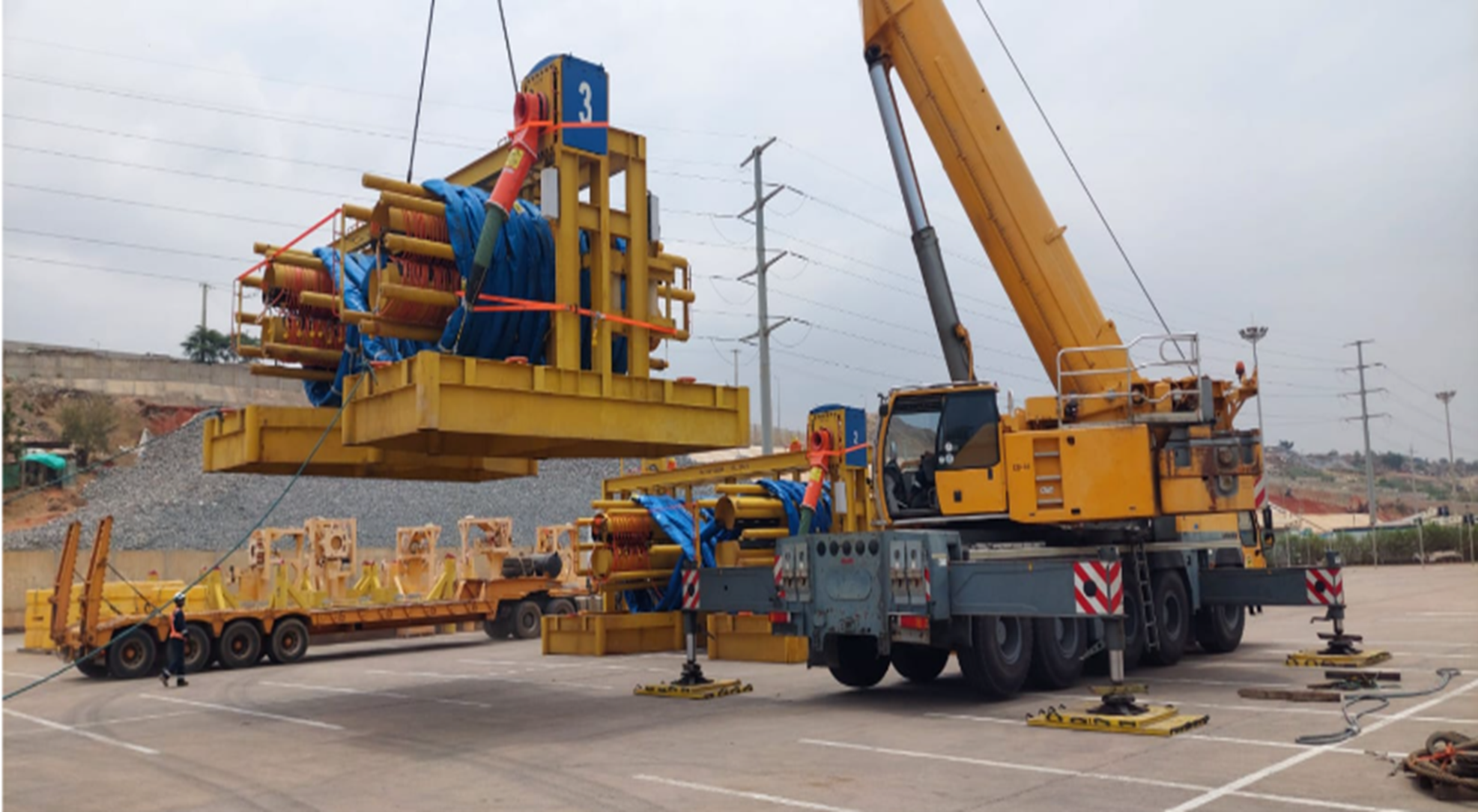
A facility incurred $1.4M in costs for machine and dedicated services due to incorrect equipment selection and excessive non-value-added activities. Observations revealed that approximately 60% of activities performed were non-value-added,significantly contributing to the high expenditure.
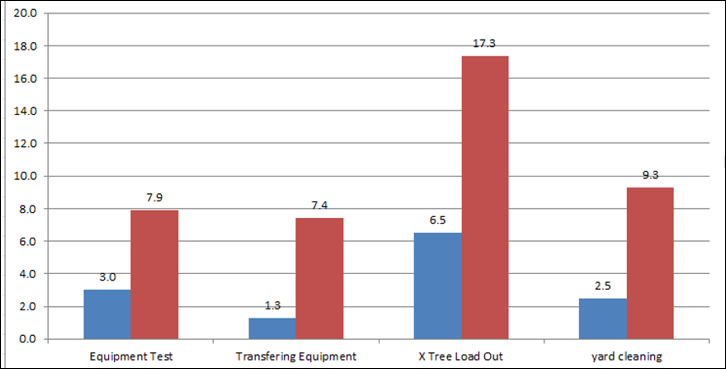
The site paid for lifting operations on an hourly rate, where cycle time reduction directly impacts business margins. By streamlining processes and eliminating inefficiencies, organizations can significantly lower costs while improving overall operational performance.
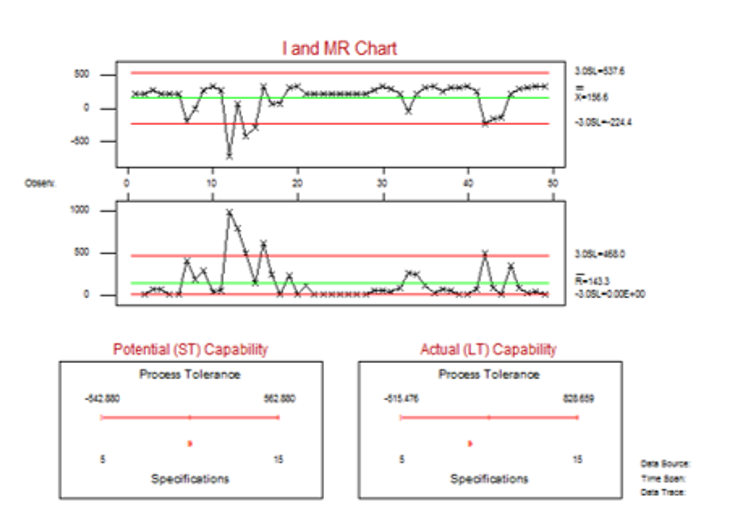
Operational Efficiency Pain Points:
  1. Yard Arrangement (Waiting):
    • Inefficient layout and poor organization of the yard create unnecessary waiting times and delays.
  2. Cross-Functional Communication:
    • Lack of coordination between teams leads to misalignment, rework, and wasted effort.
  3. Lifting Operation Plan:
    • Inadequate or unclear planning of lifting operations results in inefficiencies and higher costs.
  4. Operation Time Control:
    • Absence of strict monitoring and control over operation times allows non-value-added activities to persist.
Solutions:
  1. Daily Operation Meeting Between Cross-Functional Teams:
    • Establish regular alignment meetings to improve communication, ensure accountability, and proactively address operational challenges.
  2. Visual Board Introduced Cross-Functionally on Lifting Operation:
    • Implement a shared visual management system to track lifting operations, enhance transparency, and support real-time decision-making.
  3. Introduce Lifting Operation Control Form:
    • Standardize documentation with a control form to monitor execution, reduce variability, and strengthen compliance with safety and efficiency standards.
  4. Include Lifting Plan Discussion in Toolbox Talk with Vendor On-Site:
    • Integrate lifting plan reviews into daily toolbox talks to align vendors and teams, reinforce safety, and ensure operational readiness.
Controls:
  1. Lifting Operation Control Form:
    • Standardize documentation to monitor execution, track compliance, and ensure consistency in lifting operations.
  2. Yard Daily Activities (Visual Board):
    • Use visual management boards to display daily yard activities, improving transparency, accountability, and real-time problem-solving.
  3. Data Dashboard Trend (Record Sheet):
    • Maintain a data dashboard with trend analysis to record performance, identify deviations, and support continuous improvement.
  4. Audit – Lifting Operation Performance for Sustainability:
    • Conduct regular audits of lifting operations to validate adherence to Lean practices, reinforce discipline, and secure long-term sustainability.
Time Reduction: 71%
Annual Savings: $1.0M
Gráfico 1 Ampliar
Gráfico 2 Ampliar
Invoice Validation Ampliar

Invoice Validation Process - DMAIC

Define Phase

The organization incurred approximately $1.9M in incorrect payments not claimed for reimbursement due to: (1) lack of visibility over reimbursable items, and (2) insufficient communication between Operations and Finance during invoice approval process. The goal of this project is to eliminate incorrect payments and unnecessary costs by improving the current invoice approval workflow.

Metric:
  • Number of Incorrect Approval Signatures
Purpose:
  • Quantify the frequency of errors in the approval process.
  • Establish a baseline for current performance.
  • Provide measurable evidence of inefficiencies contributing to financial loss.
Impact:
  • Tracking this metric highlights gaps in process control and accountability.
  • Enables comparison before and after improvement initiatives.
  • Forms the foundation for identifying trends and validating corrective actions.
  1. Lack of Controllership
    • Weak oversight and governance allow errors and inefficiencies to persist without accountability.
  2. Wrong Cost Center
    • Misallocation of expenses leads to financial inaccuracies and incorrect reporting.
  3. Lack of Follow-Up
    • Absence of systematic monitoring results in unresolved issues and repeated mistakes.
  4. Lack of an Automated Requisition System
    • Manual processes increase the risk of human error, delays, and inefficiencies.
  5. Lack of a Rigorous Validation Process
    • Insufficient checks and approvals enable incorrect payments and approvals to pass unnoticed.
  6. Lack of a Reliable Filing System
    • Poor documentation practices hinder traceability, visibility, and compliance.
  7. Number of Incorrect Approval Signatures per Document
    • High error rates in approval signatures directly reflect process weaknesses and lack of control.
  1. Induction for Logistics Team on Client Approval Field
    • Training provided to ensure requesters correctly sign off the Client Approval field, strengthening accountability and compliance.
  2. Workflow Development and Automation
    • A new workflow was designed and implemented, with induction provided to the logistics team, enabling automation of requests and reducing manual errors.
  3. Validation Form Creation
    • A standardized validation form was introduced to cross-check vendor job sheets and operations invoices against contract requirements, involving all stakeholders.
  4. Vendor Job Sheet Sign-Off
    • Logistics team and requesters now consistently sign vendor job sheets, ensuring accuracy and traceability in operations.
  5. Updated Cost Centre Table
    • Finance team provided an updated cost center table, improving accuracy in expense allocation and reducing misclassification.
  6. Process Map Revision and Stakeholder Alignment
    • The process map was redesigned and discussed with stakeholders, ensuring clarity, alignment, and improved process flow.
  1. Workflow Process Map and Ownership
    • Maintain and regularly update the workflow process map, ensuring clear ownership and accountability for each step.
  2. Robust Validation Workflow
    • A workflow developed by the team provides a more rigorous validation process, embedding checks to prevent incorrect approvals and payments.
  3. Visibility Over Reimbursable Services
    • Ensure continuous transparency of reimbursable items and services under the contract, enabling Finance and Operations to monitor compliance and reduce risk.
Total reimbursement expected cash: $1.9M
Wrong Signature Reduction: 17%
Gráfico 1 Ampliar
Gráfico 2 Ampliar
Calibration Ampliar

Equipment Calibration Tracking and Record - DMAIC

Define Phase

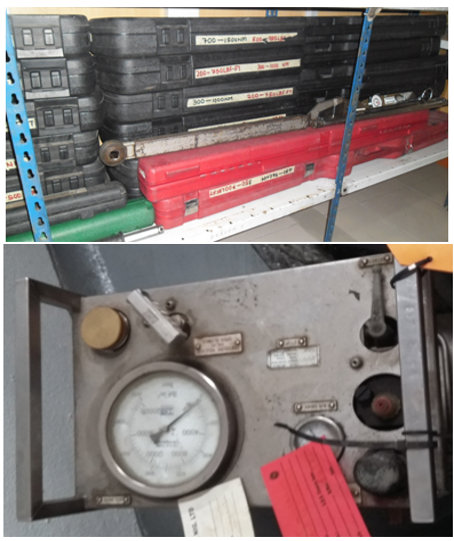
Based on available data, 86% of parts were classified as defective, with some remaining uncalibrated for over 1,500 days. Out of 258 test equipment units, only 38 were available for use. Calibration records were difficult to sort when needed, and equipment was often not tracked when sent to vendors. As a result, many items were found out of date at the time of use, leading to significant delays and lost time.

The site paid for lifting operations on an hourly rate, where cycle time reduction directly impacts business margins. By streamlining processes and eliminating inefficiencies, organizations can significantly lower costs while improving overall operational performance.

Metric:
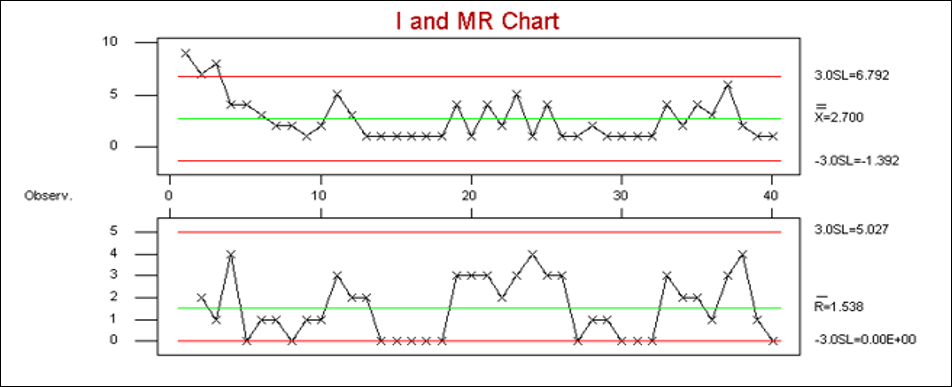
  • Out-of-Calibration Equipment Time Reduction
Purpose:
  • Quantify the amount of time equipment remains out of calibration.
  • Establish a baseline for current delays caused by calibration issues.
  • Provide measurable evidence of inefficiencies impacting equipment availability and operational performance.
Impact:
  • Tracking this metric highlights the scale of downtime due to calibration gaps.
  • Enables comparison before and after improvement initiatives.
  • Forms the foundation for validating whether solutions reduce lost time and improve equipment readiness.
  1. Delay in Spare Procurement
    • Inefficient procurement processes cause extended lead times, impacting equipment availability and operations.
  2. Time Taken to Receive Quote and Issue PO
    • Slow response in obtaining vendor quotes and issuing purchase orders creates bottlenecks and delays.
  3. No Process Ownership
    • Lack of accountability results in unclear responsibilities, leading to errors and delays in approvals and execution.
  4. Lack of Communication Between Functions
    • Poor cross-functional coordination causes misalignment, duplication of effort, and missed deadlines.
  5. No Process & Procedure Established
    • Absence of standardized procedures leads to inconsistent practices, inefficiencies, and uncontrolled variation.
  1. Vendor Follow-Up for Calibration Status
    • Regular follow-ups with vendors ensure timely updates on equipment status during calibration, reducing uncertainty and delays.
  2. Driving PO Request and Issuance
    • Responsibility taken to actively manage purchase order requests and issuance, enabling vendors to carry out calibration without unnecessary waiting.
  3. Calibration Responsibility Assigned to Quality Team
    • Quality personnel now own the calibration process, with authority to raise PO requests and secure approvals, ensuring faster closure and accountability.
  4. Process Ownership Established
    • Clear ownership has improved the system, with issues being tracked, followed up, and closed promptly.
  5. Work Instruction (WI) Developed and Documented
    • A formal work instruction has been created and uploaded into the documentation system, ensuring improvements are standardized and sustained.
  6. Improved Cross-Functional Communication
    • Enhanced communication between functions ensures all equipment in the quarantine area is tagged with issue details, enabling quick resolution.
  1. New Process Control Flow Developed
    • A revised process control flow has been designed to embed improvements into daily operations.
  2. Work Instruction (WI) Implemented
    • Detailed work instructions have been created and uploaded into the documentation system to ensure consistent application of the process.
  3. Sustainability Through Standardization
    • The combination of process flow and WI ensures that improvements are not only implemented but also sustained over time, reducing variation and reinforcing accountability.
Expected Reimbursement: $730.5K
Calibration Status: 82% now within calibration (previously 93% out)
Gráfico 5 Ampliar
Leak RCA Ampliar

Leak observed on surface on cement head - RCA

Problem Statement

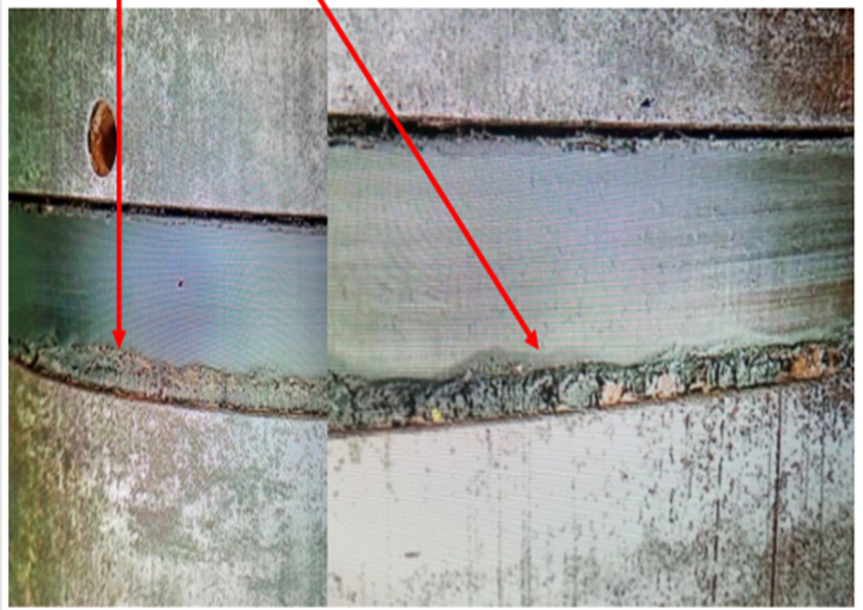
When applying and holding 500 psi to ensure rubber bulk seal is sealing in the wellhead. Pressure up in increments to 3500 psi to energize seal - leak was observed on surface on cement head.
Impact: 8 Hrs NPT | Financial impact: USD 8M
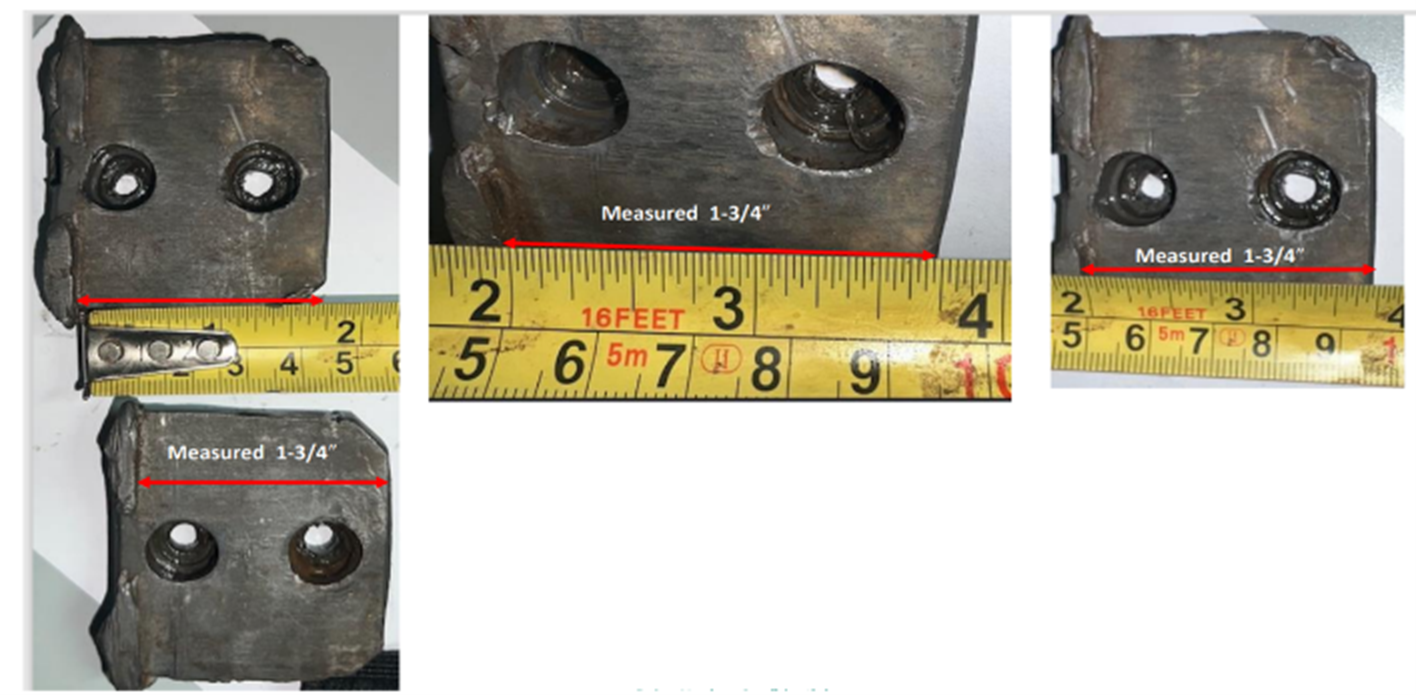
1. Corrections Measures Applied
  • Close annular/BOP to pressure up to 3500 psi to energize seal (OSP24031).
2. Containment Measures Applied
  • Verified that no similar issue has been detected on the other rigs where similar operations are being carried out.
Key Areas Identified as Contributing Factors:
  1. LIB Readings
    • Variations or anomalies in LIB (Logging While Drilling / Logging Instrumentation Board) readings may indicate underlying equipment or process issues.
    • These inconsistencies can contribute to operational inefficiencies or failures.
  2. Bulk Seal
    • Deficiencies or wear in bulk seals can lead to leakage, reduced equipment reliability, and potential downtime.
    • Seal integrity is critical for maintaining pressure and preventing operational disruptions.
Root Causes
  1. LIB Readings:
    • Inaccurate or inconsistent LIB readings were traced back to calibration and monitoring issues, leading to unreliable data that affected operational decisions.
  2. Bulk Seal:
    • Degradation or improper installation of bulk seals compromised equipment integrity, causing leakage and performance failures.
Corrective and Preventative Action (CAPA) Plan

1. LIB Readings

  1. Recalibrate LIB instruments to ensure accuracy and reliability (CA).
  2. Conduct immediate verification of readings against reference standards (CA).

2. Bulk Seal

  • Replace degraded or damaged bulk seals with new, certified parts.
  • Inspect and repair sealing surfaces to ensure proper fit and integrity.
  • Perform pressure and leakage tests after replacement to confirm effectiveness.

Effectiveness Review Plan
  1. Verification of Recurrence
    • Verify if leak has been observed again on surface on cement head.
  2. Review Period
    • Conduct the effectiveness review over a 90-day period, ensuring sufficient time to monitor outcomes and validate sustainability of improvements.
Imagem CAPA Ampliar
VX XT Gasket Ampliar

VX XT Gasket Missing Issue - RCA

Problem Statement

XT landed and locked, but VX Gasket was found missing upon recovery. Evidence suggests gasket dropped during installation due to improper retention by pins.Subsequent reinstallation (with new gasket) passed VXT testing.
Impact: 12 Hrs NPT | Financial impact: USD 12M

1. Corrections Measures Applied
  • XT retrieved from subsea and brought topside for visual inspection.
  • XT re-run to depth, VXT pressure test performed, and passed successfully with gasket in place.
2. Containment Measures Applied
  • Gasket reinstalled on the Wellhead via ROV with verified alignment and retention.
  • Traced other XTs of the same design for review their MRBs and FAT records for potential gasket-related deviations.
Key Areas Identified as Contributing Factors:
  1. 1. Gasket Mechanism Control Line Leaking
    • Leakage in the gasket mechanism’s control line reduces pressure integrity and can compromise system performance.
    • This failure mode increases the risk of operational downtime and equipment malfunction.
  2. 2. O‑Ring in Gasket Cartridge Leaking
    • Worn or improperly installed O‑rings in the gasket cartridge allow fluid leakage.
    • This weakens sealing capability, leading to reduced reliability and potential safety hazards.

The investigation could not conclusively identify a single root cause of the dropped gasket. However, evidence strongly suggests that the incident resulted from a combination of interacting factors:

Root Causes:
  1. 1. Hydrostatic Pressure Effect
    • Water ingress downstream of the GRR needle valve increased pressure.
    • This hydrostatic pressure acted on the larger diameter of the piston rod, generating a greater force that contributed to rod movement.
  2. 2. Loss of Hydraulic Locking
    • A closed GRE line with trapped air created compressible fluid conditions.
    • This eliminated the intended hydraulic locking mechanism, allowing the forces described in Point 1 to push the rods into the retracted position.
    • As a result, the gasket was able to detach and fall out.
Supporting Notes • Pin Forces: Each pin experiences a force of 87 lbs. Approximately 80 m of water
depth would be required to overcome the spring force if hydrostatic pressure is applied under unbalanced conditions.
• Pressure Calculations: If pressure is applied to the 1.244” diameter via the GRR
line, ~1072 psi at a depth of 1000 m would be required. • Conclusion: The most probable root cause is an unbalanced pressure scenario, which created the conditions for gasket detachment.
1. Potential for Trap Air in System

Corrective Actions (CA):

  • Ensure GRV Valve is closed.
  • Remove Dummy Hot Stab only in GRR/GRE position.
  • Run, lock XT and perform VXT Test.
  • Apply the Dummy Hotstab in position again (to prevent debris).
Note: This will allow to have the hydrostatic head pressure in the GRE line, helping the spring to keep the Pin in position during XT Running.
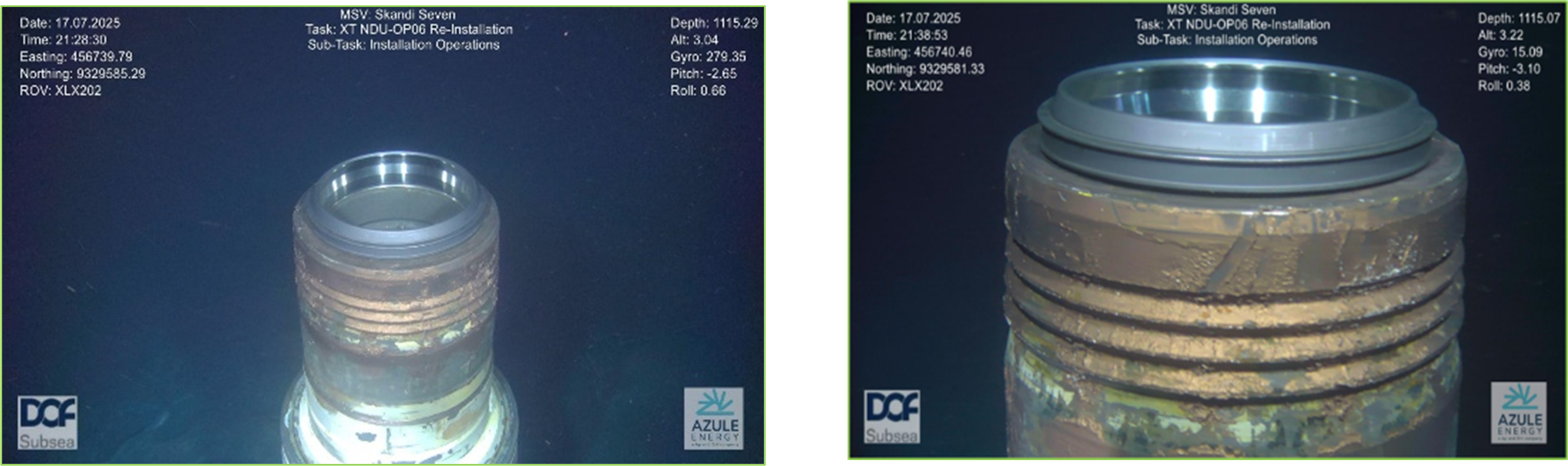
Preventative Actions (PA):

  • Ensure GRV Valve is closed.
  • Remove Dummy Hot Stab only in GRR/GRE position.
  • Run, lock XT and perform VXT Test.
  • Apply the Dummy Hotstab in position again (to prevent debris).

2. O-ring in Gasket Cartridge Leaking
  • (CA): Introduce a controlled pressure hold period during control line testing at PLOC.
  • (PA): Review and update pressure testing methodology and sequence, ensuring the procedure specifies when the test should be conducted. Validate against O-ring specifications.
3. Gasket Mechanism Control Line Leaking
  • (CA): Add a controlled pressure hold period during control line testing at PLOC to detect any leaks before deployment.
  • (PA): Review and update the pressure testing methodology and sequence, ensuring proper inspection of all connection fittings.

4. Retainer Pin's Function was not Checked

  • (PA): Update the inspection checklist to include gasket retention pin verification through visual and/or photographic evidence post-installation.
Imagem CAPA Ampliar
UCP Installation Ampliar

UCP installation Failure Issue - RCA

Problem Statement

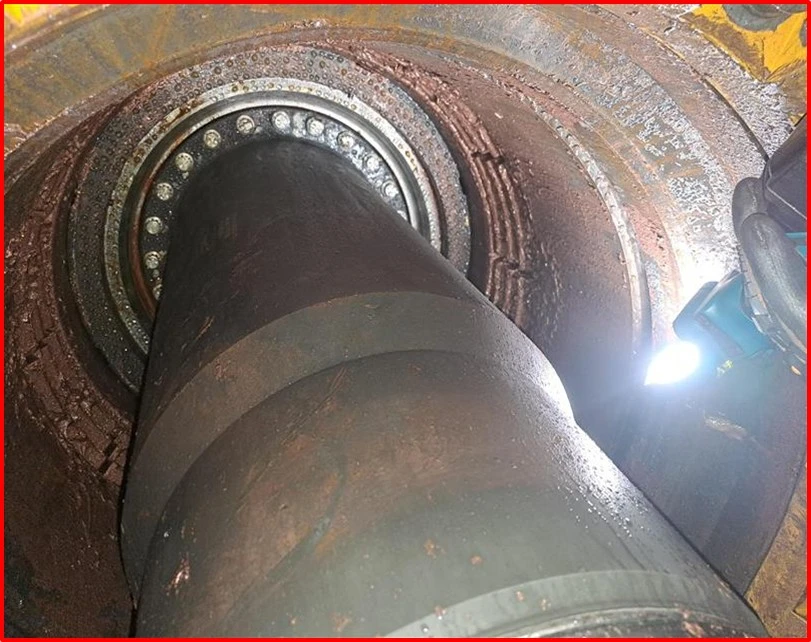
During UCP (PN#A111623-36, SN#C54333355877-1) installation into the Tubing Hanger profile, the plug landed as per plan but experienced leaks during pressurization, unsuccessful piston retraction, and pressure anomalies at BP1/2. Despite repeated troubleshooting (re-pressurization, pumping via BPT ports, and shear pin verification), the UCP could not be released. The BHA was pulled to surface, revealing the stand-off pin had not fully stroked, preventing proper travel. Backup UCP preparation and redress of the primary CPRT+CP were requested by Company and CPY.br /> Impact: 3 Hrs. NPT (Nonproductive Time)
Financial impact: USD 3M
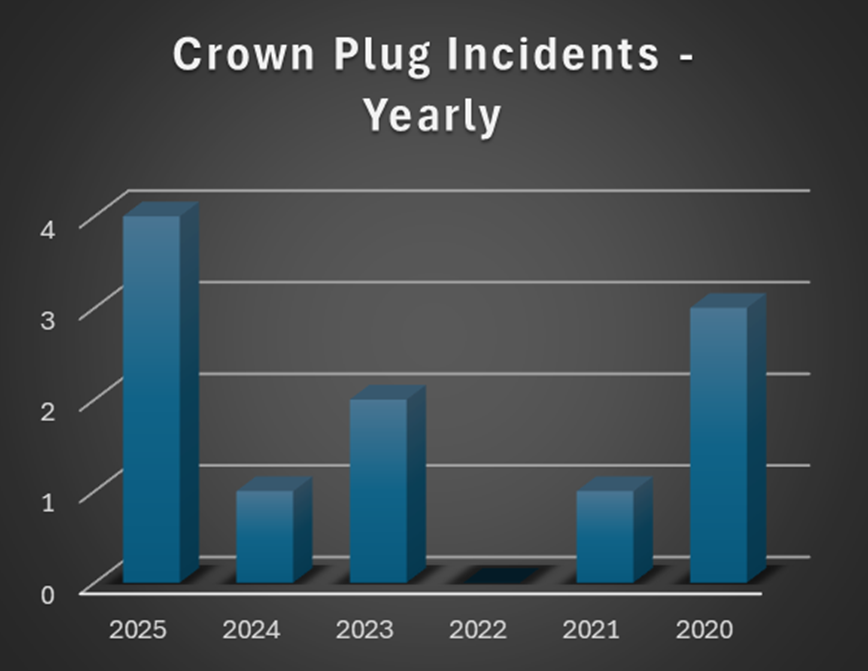
1. Corrections Measures Applied
  • During UCP (PN#A111623-36, SN#C54333355877-1) installation into the Tubing Hanger profile, the plug landed as per plan but experienced leaks during pressurization, unsuccessful piston retraction, and pressure anomalies at BP1/2. Despite repeated troubleshooting (re-pressurization, pumping via BPT ports, and shear pin verification), the UCP could not be released. The BHA was pulled to surface, revealing the stand-off pin had not fully stroked, preventing proper travel. Backup UCP preparation and redress of the primary CPRT+CP were requested by Company and CPY./li>
  • Performed multiple flushing operations via BPT1/2 (Transaqua and base oil), clearing debris and restoring hydraulic communication.
2. Containment Measures Applied
  • Suspended UCP installation attempts until cleaning and inspection actions addressed debris risk.
  • Pulled BHA to surface for re-dress and inspection, isolating debris-affected components from further use.
  • Deployment of ETC (External Tree Cap) as a containment barrier.
  • Conducted traceability check on UCPs with similar design across other projects/regions, to identify potential exposure to debris-related issues.
Key Areas: Limitations in wellbore cleaning/displacement - incomplete removal of residual fluids, solids and debris.
Key Areas Identified as Contributing Factors:
  1. 1.Limitations in wellbore cleaning/displacement
    • Incomplete or ineffective cleaning/displacement of the wellbore can leave residual fluids, solids, or debris.
    • These limitations reduce well integrity, increase the risk of pressure imbalances, and compromise operational reliability.
    • Poor displacement efficiency may also contribute to equipment wear, sealing failures, or unexpected downtime.
Root Causes
  1. 1.limitations in wellbore cleaning and displacement efficiency
    • Incomplete removal of residual fluids, solids, and debris compromised well integrity, creating pressure imbalances and unfavorable downhole conditions. These deficiencies directly contributed to equipment reliability problems and increased the likelihood of operational failures.
1. limitations in wellbore cleaning and displacement efficiency

Corrective Actions (CA):

  • Recommendations provided by contractor to ensure cleanliness
  • Update Standard Running Procedure AAA668451
Verify if UCP installation failure happened again. Review period: 90 days.
1. Verification of Recurrence
  • Verify if UCP installation Failure Issue happened again.
4. Review Period
  • Conduct the effectiveness review over a 90-day period, ensuring sufficient time to monitor outcomes and validate sustainability of improvements.
Imagem CAPA Ampliar
Slings Ampliar

Slings and Lifting Equipment Organization - Lean

Performance Limitation

Significant delays occur in locating correct tools due to absence of effective stock control system, resulting in wasted time and reduced productivity.
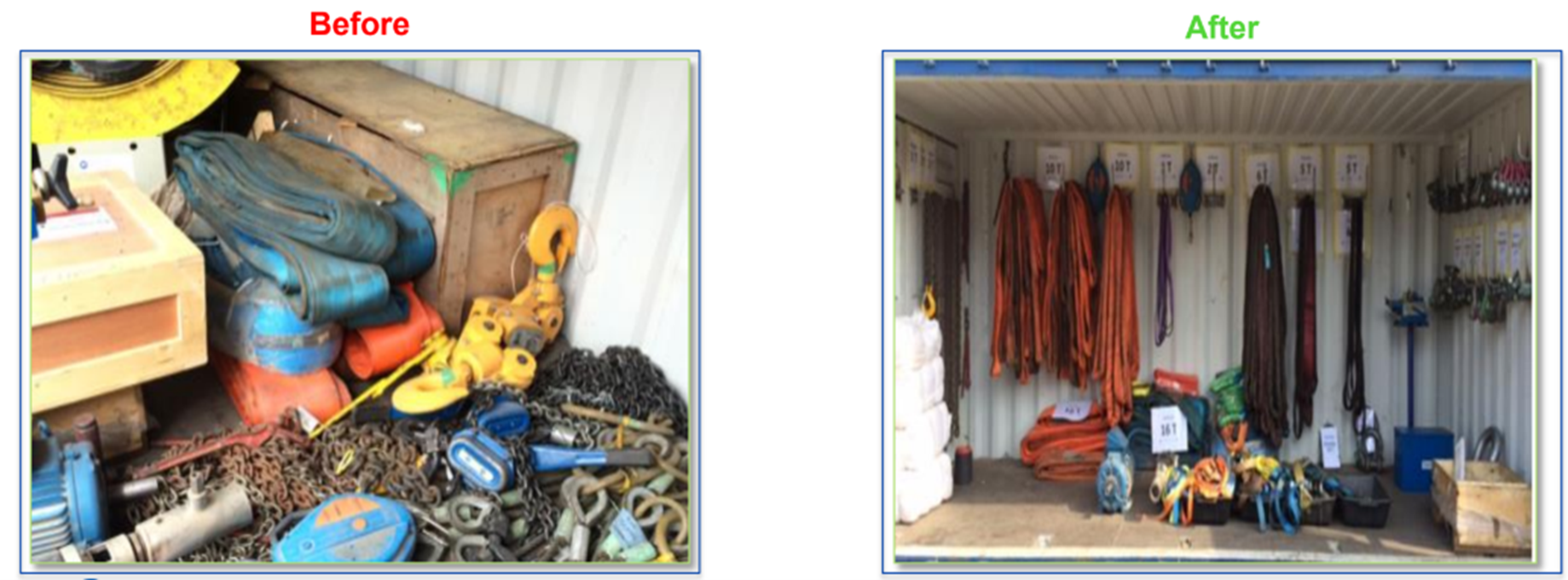
  • On Time Delivery (OTD)
  • Customer Satisfaction
  • Operational Efficiency
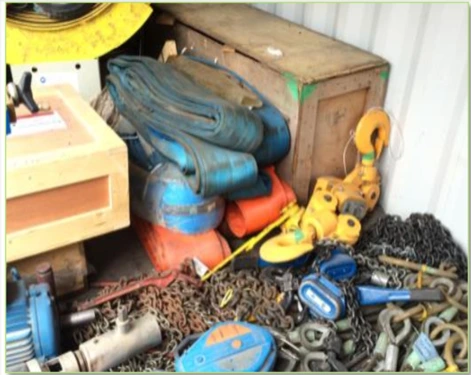
  1. Implementation of 5S in the Container
    • A structured 6S program was introduced to organize, standardize, and maintain the container environment.
    • This ensured tools are stored systematically, improving accessibility and reducing wasted time searching.
  2. Tool Identification and Segregation by Load Capacity
    • Tools were identified, labeled, and segregated according to their load capacity.
    • This classification eliminated confusion, improved safety, and ensured the right tool is available for the right operation.
  1. 6S System Implemented
    • A full 6S system (Sort, Set in Order, Shine, Standardize, Sustain, Safety) is now in place, providing structured organization and enhanced safety controls for critical lifting equipment.
    • This ensures better discipline, visibility, and long-term sustainability of improvements.
  2. Better Control of Critical Lifting Equipment
    • Equipment is now systematically managed, reducing the risk of misuse or delays.
    • Safety and reliability have improved through standardized practices.
  3. Easy Identification of Equipment
    • Clear labeling and segregation allow quick recognition of tools and lifting gear.
    • Operators can select the correct equipment without wasted time or confusion.
  4. Improved Stock Control
    • A robust stock control system ensures accurate tracking of equipment availability and condition.
    • This reduces downtime, prevents shortages, and supports on-time operations.
Imagem Melhoria Ampliar
Yard Space Ampliar

Yard Space Optimization - Lean

Performance Limitation

Ineffective storage practices, absence of Lean principles, and frequent equipment misplacement creating inefficiencies, delays, and lack of control.
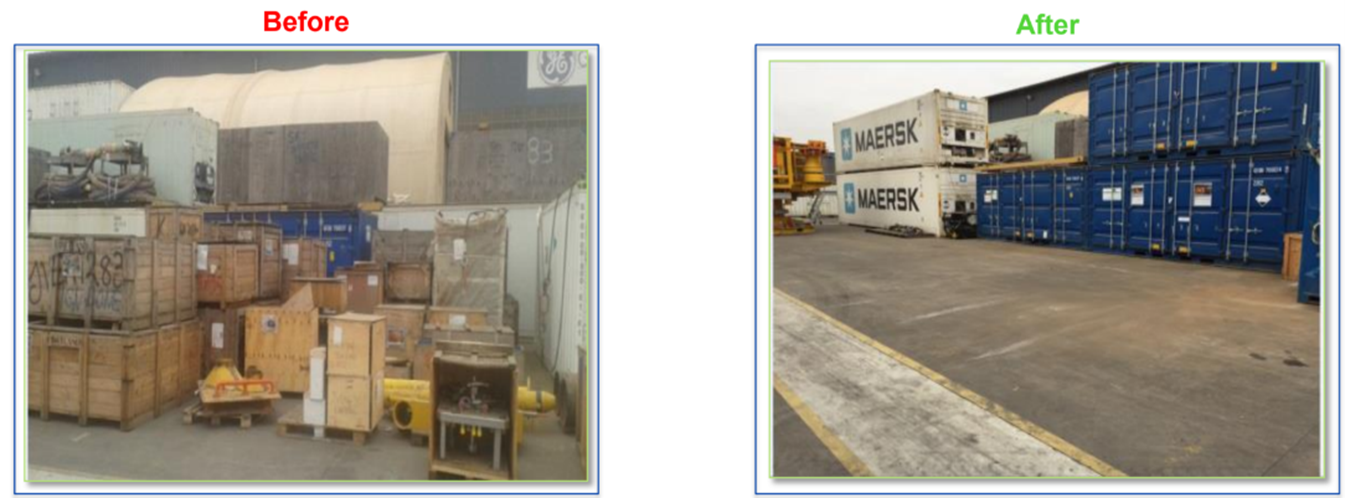
  • Logistic/Storage Area
  • Operational Efficiency
  • Cost Control
  • Safety & Compliance
  • On-Time Delivery (OTD)
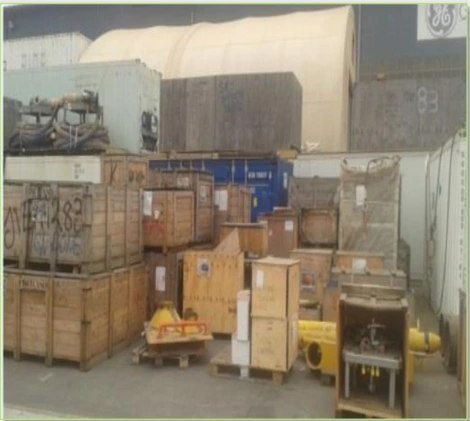
  1. Removal of Boxes from Storage Area and Driveways
    • All boxes cluttering the storage area and blocking driveways were removed to eliminate obstructions, improve safety, and restore efficient movement of personnel and equipment.
    • This action reduced risks of accidents and ensured compliance with housekeeping standards.
  2. Systematic Storage of Boxes in Containers
    • All boxes were organized and stored inside designated containers, creating a structured and controlled storage system.
    • This improved accessibility, enhanced inventory management, and prevented misplacement of materials.
Results: Enhanced space utilization, improved workflow efficiency, safety gains, better inventory control.
  1. Enhanced Utilization of Storage Areas
    • By reorganizing and relocating materials, available space is now used more efficiently, eliminating clutter and freeing up critical pathways.
  2. Improved Workflow Efficiency
    • Clear, unobstructed areas allow smoother movement of equipment and personnel, reducing delays and operational bottlenecks.
  3. Safety and Compliance Gains
    • Optimized space reduces hazards, ensures compliance with HSE standards, and minimizes risks of accidents in storage and logistics zones.
  4. Better Inventory Control
    • Consolidated and structured storage enables easier identification, tracking, and retrieval of equipment, strengthening overall stock management.
Imagem Melhoria Ampliar

Manuals and Booklets Library

At CoSigma, we empower individuals and organizations to unlock their full potential by delivering expert guidance and practical knowledge in continuous improvement methodologies.

Lean Six Sigma Yellow Belt Study Guide

LEAN SIX SIGMA YELLOW BELT STUDY GUIDE

Implementing Lean Six Sigma Management is a strategic necessity. This study guide highlights how Lean Six Sigma equips you to deliver satisfied customers, reduced costs, and superior quality.
Basic Guide to Root Cause Analysis

BASIC GUIDE TO ROOT CAUSE ANALYSIS

Foundations of Root Cause Analysis explained simply. Apply RCA effectively to identify causes of problems, eliminate recurring failures, and strengthen reliability.